Cerebral palsy in adults: which treatments are still useful after the age of 18
Cerebral palsy does not end at 18, but access to specialist treatment drops sharply. Find out which interventions have evidence behind them in adults with CP, and when to look for a specialist centre.
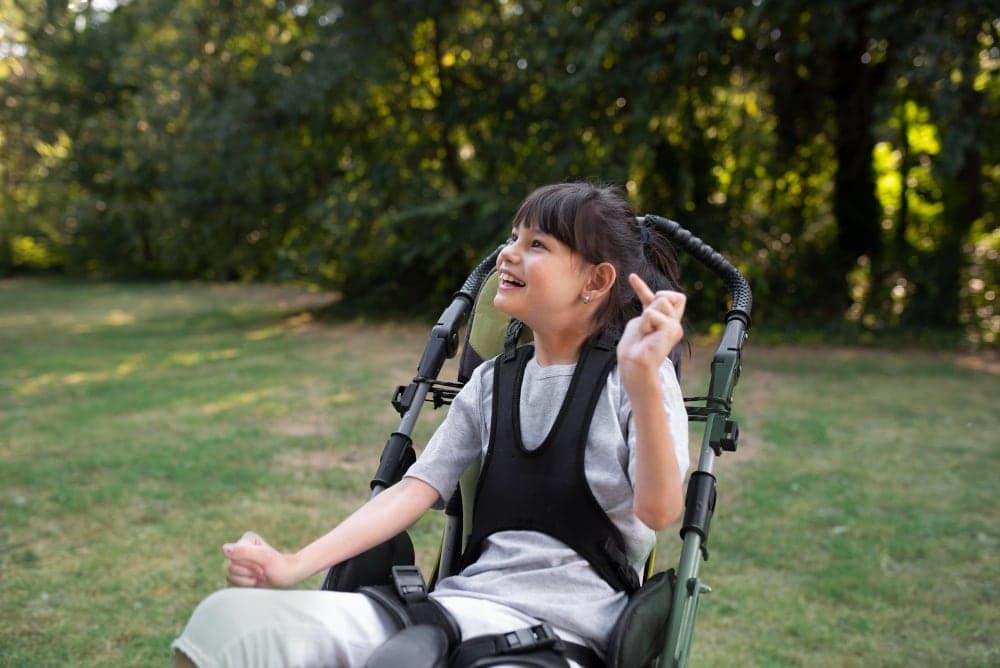
A diagnosis that does not expire at 18
Cerebral palsy is diagnosed in childhood, but it does not go away on reaching adulthood. In many countries, however, access to specialist treatment falls away sharply when the patient turns 18: paediatric services close, adults move on to general services, and rehabilitation —where it exists— tends to be far less specific and far less continuous.
The result is that many adults with CP reach 25, 30 or 40 with the feeling that «everything that could be done» was already done in childhood. And what they find when they look for help often confirms that idea.
The neurological evidence says otherwise.
What changes in CP on reaching adulthood?
Cerebral palsy is a static injury of the central nervous system: the lesion itself does not progress. What does change over time are the functional consequences of living with that lesion for decades:
- Chronic fatigue: holding a posture and moving with an altered motor system uses far more energy than it does for someone without CP. Over time, that accumulated effort turns into fatigue that can be disabling.
- Musculoskeletal pain: compensatory postures held for years create joint imbalances, contractures and pain in areas such as the back, hips and shoulders.
- Loss of acquired function: skills worked on in childhood can deteriorate if the training is not kept up. Walking, writing or communicating can get worse without rehabilitation.
- Changes in muscle tone: spasticity or dystonia can increase with age, especially if left untreated.
- Associated cognitive decline: in some subtypes of CP, cognitive abilities need active maintenance if they are not to deteriorate.
Brain plasticity in adults with CP: what the evidence says
The belief that neural plasticity belongs exclusively to childhood is a myth that neuroscience has steadily dismantled. The adult brain —including the brain of an adult with CP— retains a capacity for reorganisation and motor learning.
This means that, with the right treatment, an adult with CP can:
- Improve the quality of movement and reduce energy expenditure.
- Reduce chronic pain through better motor and postural control.
- Maintain or recover communication skills that had deteriorated.
- Increase independence in activities of daily living.
- Improve quality of life measurably.
Advances in neurostimulation and in neurological physiotherapy techniques specific to CP have significantly widened the treatment options for adults over the past decade.
Evidence-based treatments for adults with cerebral palsy
A treatment plan for an adult with CP has to be tailored to the individual, but the interventions with the strongest evidence in this population include:
Intensive neurological physiotherapy
Focused on motor control, balance, gait and reducing spasticity. Techniques such as the Bobath concept, the Halliwick method and body-weight-supported treadmill training have shown documented benefits in adults with CP.
Occupational therapy
Aimed at maintaining or improving independence in everyday activities: dressing, eating, cooking, writing, using devices. Particularly relevant for adults with CP who want to keep or extend their independence.
Neurological speech therapy
For adults with dysarthria (difficulty articulating speech) or using augmentative communication systems. Speech therapy in adults with CP can significantly improve the intelligibility of speech and social communication.
Neurostimulation
Techniques such as transcranial magnetic stimulation (TMS) or functional electrical stimulation (FES) act directly on neuronal excitability and can enhance the effects of conventional rehabilitation in adults with CP.
Treatment of spasticity
Botulinum toxin injections, oral medication or intensive stretching programmes can reduce increased muscle tone and improve the quality of movement. They should always be paired with rehabilitation, to make use of the window of lower tone.
When to seek specialist treatment if you are an adult with CP
There are specific situations in which it is worth looking for a centre specialising in neurorehabilitation for adults with CP:
- When you notice a decline in functions that used to be stable (walking, speech, handling objects).
- When chronic pain starts to limit daily activity.
- When the rehabilitation services available have no specific experience of adult CP.
- When there is a specific functional goal (driving, returning to work, keeping an independent life) that is not being addressed.
- When the current treatment has gone months or years without producing any noticeable change.
Foltra's approach to cerebral palsy: children and adults
At Centro Sanitario Foltra we treat cerebral palsy at every age. Our protocol for adults with CP combines neurostimulation, intensive neurological physiotherapy, speech therapy and occupational therapy in a coordinated approach designed to make the most of each person's functional potential.
We work with adults who have gone decades without access to specialist rehabilitation, and with others who have had continuous treatment but want to go further. In both cases, the initial assessment lets us determine whether our protocol can bring real improvements.
You can find out more about our treatment in the section on cerebral palsy in children and adults, or get in touch directly to request an assessment.